Key takeaway: A handful of city systems handle most of what a new Chicago condo owner needs. Non-emergency problems go to 311 by phone, on the CHI311 app or online. The city is split into 50 wards, each with an alderperson whose office handles local services, and 22 police districts. The Chicago Public Library has 81 locations, and 261 of the 268 buildings in the Chicago Condo Insider directory are within a mile of one. Owner-occupants should also apply for the Cook County Homeowner Exemption, which cuts a condo’s taxable value by $10,000 of equalized assessed value and renews automatically.
Last reviewed: November 20, 2026
At a glance
| Need | Where to go | Source |
|---|---|---|
| Non-emergency city service | 311 (312-744-5000 from outside Chicago); CHI311 app and website | City of Chicago [1] |
| Your alderperson and ward office | One of 50 wards; look up by address | City of Chicago [2] |
| Police district | One of 22 districts; look up by address | Chicago Police [3] |
| Library | 81 Chicago Public Library locations | Chicago Public Library [4] |
| Directory buildings within 1 mi of a library | 261 of 268 (121 within 0.5 mi) | Directory [5] |
| Homeowner Exemption | $10,000 off equalized assessed value; renews automatically | Cook County Assessor [6] |
How do I report a problem to the city?
Use 311. Call 311 inside the city (312-744-5000 from outside Chicago), or use the free CHI311 app or website to create a service request, add a photo, map the location and track the request until it is closed [1]. Condo owners use it for street-level issues such as potholes, street lights, graffiti, rats in the alley and abandoned vehicles. Problems inside the building, such as a broken elevator or a leak from a common pipe, go to the association’s management first; 311 is the route for code problems the building will not fix, such as no heat in a rented unit.
What is a ward, and why does it matter to condo owners?
Chicago is divided into 50 legislative districts called wards, each represented by an alderperson elected to a four-year term [2]. Ward offices handle much of the day-to-day city service in a neighborhood: residential parking permits, moving signs, block-party and street-use questions, and help when a 311 request stalls. Aldermen also weigh in on zoning changes, so the ward office is where to ask about a proposed building next door. You can find your ward and alderperson by street address on the city’s website [2]. Ward boundaries are redrawn after each federal census, so check again if you have owned for a while.
How do I find my police district and safety data?
Chicago has 22 police districts, and each neighborhood falls within one of them [3]. Districts are divided into beats, and the Chicago Police Department’s district map lets you look up both by address [3]. Each district also has an elected District Council of residents [3]. For crime figures by location, the City of Chicago Data Portal publishes reported-crime data that can be filtered by beat, district, ward or community area; compare several years and the same area type rather than relying on a single month.
How close is the nearest library?
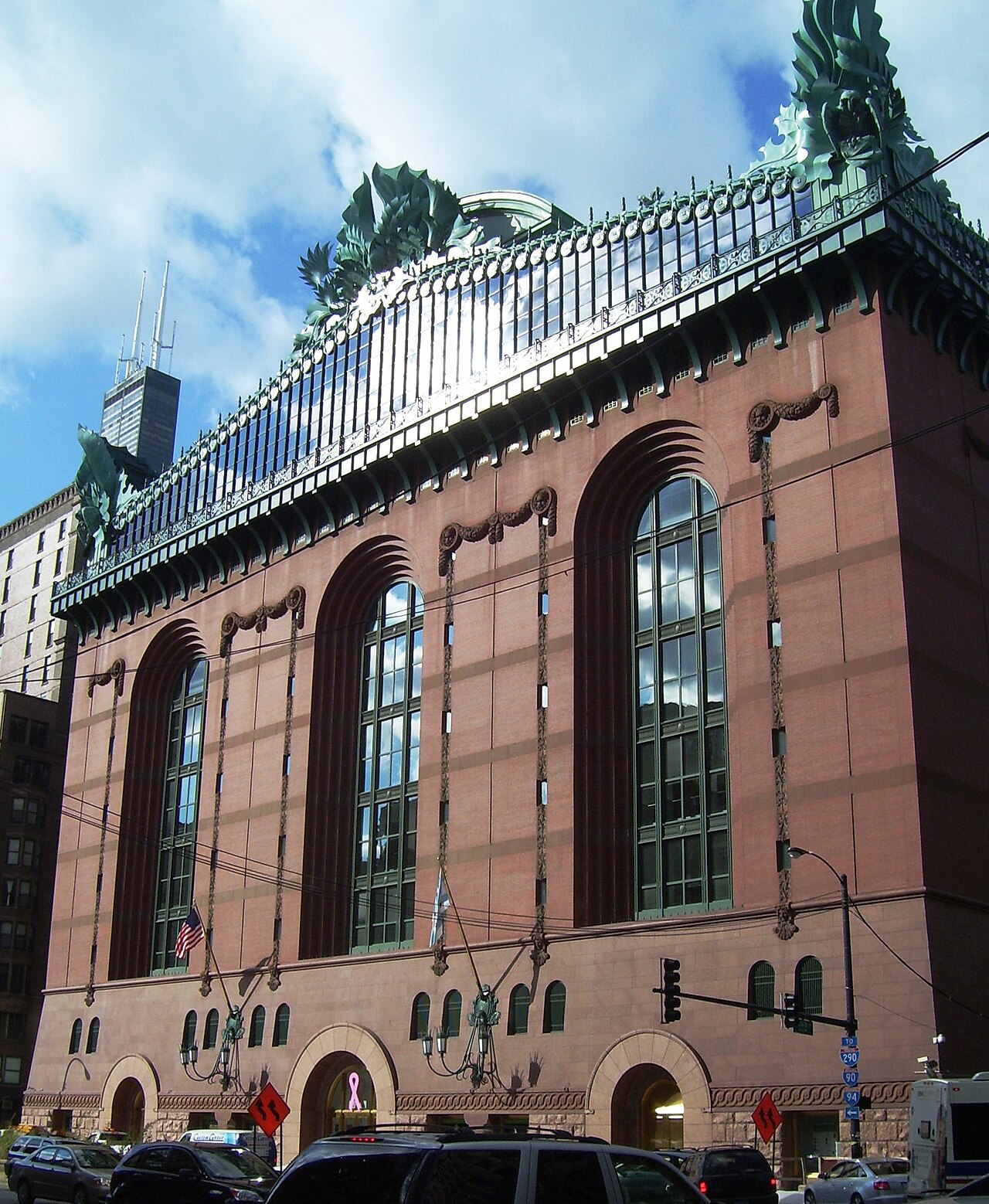
Usually close. The Chicago Public Library has 81 locations [4]. Measured against the library locations on the City Data Portal, 261 of the 268 directory buildings are within a mile of a library and 121 are within half a mile [5]. The nearest library is most often Water Works (68 buildings, in the Gold Coast and Streeterville), the Harold Washington Library Center in the Loop (43), Near North (38), Merlo in Lakeview (24) and West Loop (20). A Chicago Public Library card is free for city residents.
What should a new condo owner do about property taxes?
Apply for the Homeowner Exemption if the condo is your principal residence. It reduces the equalized assessed value of the property by $10,000, and the savings equal that amount times the local tax rate [6]. Condo owners are eligible, and once granted the exemption renews automatically as long as you keep living there [6][7]. New owners must apply. The condo property tax guide explains other exemptions, how Cook County values a condo and how appeals work. First-time buyers can find more on the purchase side at Chicago First Time Homebuyer.
Where else can I learn about a neighborhood?
Each building page in the building directory lists its assigned Chicago Public Schools, nearby transit and recent sales. The Chicago condo areas map groups the buildings into six areas. For everyday costs such as groceries, utilities and transportation, see Chicago Cost of Living, and for Lincoln Park in particular, Live Lincoln Park.
Common questions
Is 311 only a phone number?
No. Requests can also be made and tracked on the CHI311 app and website [1].
How many wards does Chicago have?
Fifty, each represented by one alderperson [2].
Do I need to reapply for the Homeowner Exemption every year?
No. After the first approval it renews automatically while you own and live in the unit [6].
Related Chicago condo guides
- Chicago condo property taxes, exemptions and appeals
- Buying a condo in Chicago: what to check in the building
- Living in a Chicago high-rise: moving, recycling, utilities and winter
- Getting around from Chicago’s condo areas
Sources
- City of Chicago, 311 City Services. https://www.chicago.gov/city/en/depts/311.html
- City of Chicago, Your Ward and Alderman; Find Your Ward and Alderman. chicago.gov
- Chicago Police Department, Find Your District. chicagopolice.org
- Chicago Public Library, About Us. https://www.chipublib.org/about-us/
- Chicago Condo Insider building directory: 268 buildings with 150 or more condo units, measured straight-line to library locations in the City of Chicago Data Portal Libraries dataset (x8fc-8rcq), November 20, 2026.
- Cook County Assessor’s Office, Homeowner Exemption. cookcountyassessoril.gov
- Cook County Assessor’s Office, Property Tax Exemptions brochure, 2025. cookcountyassessor.com
Cite this page: Chicago Condo Insider, Neighborhood Basics for Chicago Condo Owners: 311, Wards, Police Districts, Libraries and the Homeowner Exemption (2026), reviewed November 20, 2026.
This page is general information, not legal or tax advice. Check the City of Chicago and the Cook County Assessor for current rules.