Category: Chicago Living

Practical guides to daily life for Chicago condo owners: transit, the lakefront, high-rise living and neighborhood services, written from the condo owner’s point of view.

  • Neighborhood Basics for Chicago Condo Owners: 311, Wards, Police Districts, Libraries and Taxes (2026)

    Neighborhood Basics for Chicago Condo Owners: 311, Wards, Police Districts, Libraries and Taxes (2026)

    Key takeaway: A handful of city systems handle most of what a new Chicago condo owner needs. Non-emergency problems go to 311 by phone, on the CHI311 app or online. The city is split into 50 wards, each with an alderperson whose office handles local services, and 22 police districts. The Chicago Public Library has 81 locations, and 261 of the 268 buildings in the Chicago Condo Insider directory are within a mile of one. Owner-occupants should also apply for the Cook County Homeowner Exemption, which cuts a condo’s taxable value by $10,000 of equalized assessed value and renews automatically.

    Last reviewed: November 20, 2026
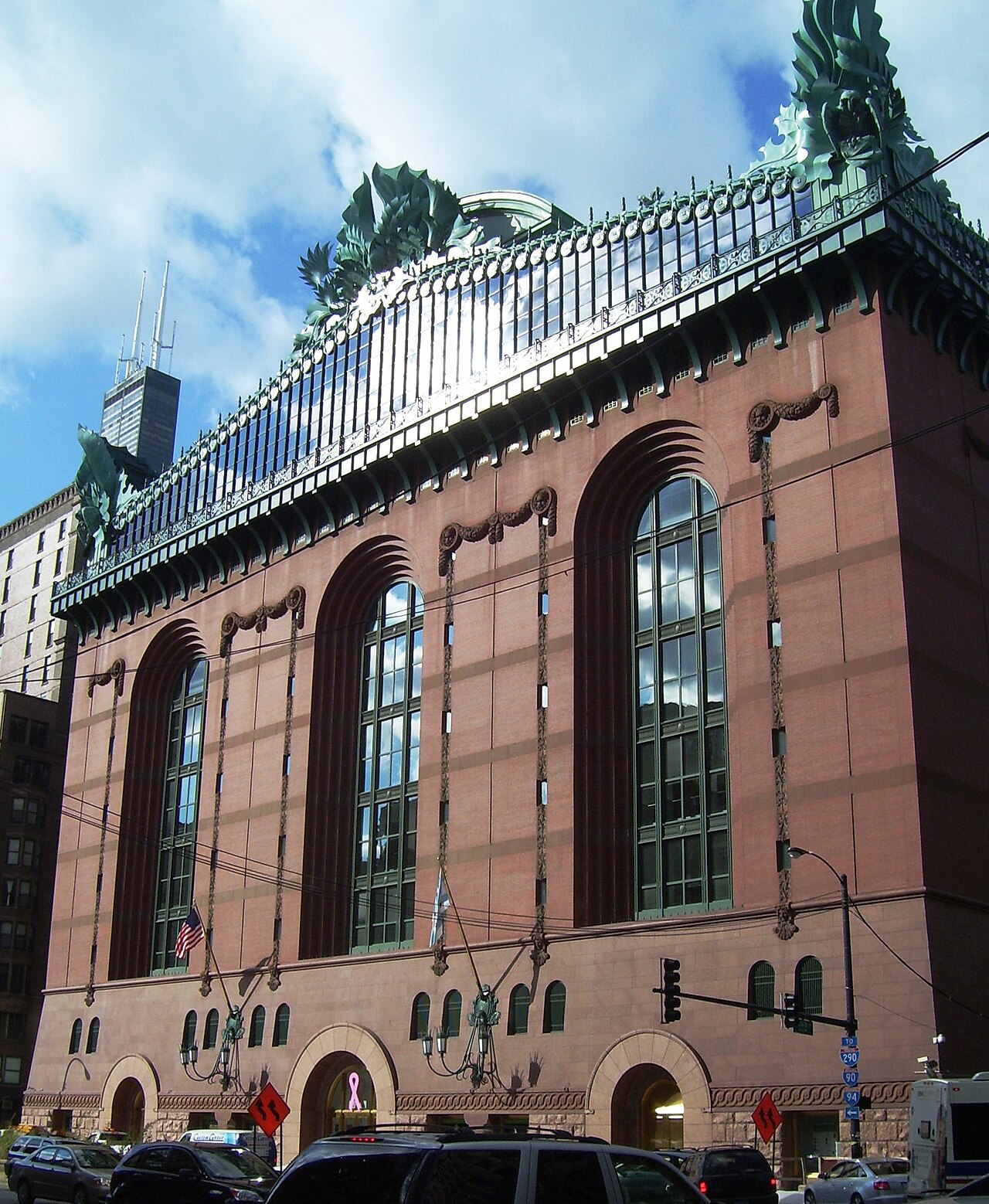
    Harold Washington Library Center, the Chicago Public Library's central library, seen from the southeast
    Harold Washington Library Center in the Loop, the Chicago Public Library’s central library. Photo: Beyond My Ken, CC BY-SA 4.0, via Wikimedia Commons.

    At a glance

    Need Where to go Source
    Non-emergency city service 311 (312-744-5000 from outside Chicago); CHI311 app and website City of Chicago [1]
    Your alderperson and ward office One of 50 wards; look up by address City of Chicago [2]
    Police district One of 22 districts; look up by address Chicago Police [3]
    Library 81 Chicago Public Library locations Chicago Public Library [4]
    Directory buildings within 1 mi of a library 261 of 268 (121 within 0.5 mi) Directory [5]
    Homeowner Exemption $10,000 off equalized assessed value; renews automatically Cook County Assessor [6]

    How do I report a problem to the city?

    Use 311. Call 311 inside the city (312-744-5000 from outside Chicago), or use the free CHI311 app or website to create a service request, add a photo, map the location and track the request until it is closed [1]. Condo owners use it for street-level issues such as potholes, street lights, graffiti, rats in the alley and abandoned vehicles. Problems inside the building, such as a broken elevator or a leak from a common pipe, go to the association’s management first; 311 is the route for code problems the building will not fix, such as no heat in a rented unit.

    What is a ward, and why does it matter to condo owners?

    Chicago is divided into 50 legislative districts called wards, each represented by an alderperson elected to a four-year term [2]. Ward offices handle much of the day-to-day city service in a neighborhood: residential parking permits, moving signs, block-party and street-use questions, and help when a 311 request stalls. Aldermen also weigh in on zoning changes, so the ward office is where to ask about a proposed building next door. You can find your ward and alderperson by street address on the city’s website [2]. Ward boundaries are redrawn after each federal census, so check again if you have owned for a while.

    How do I find my police district and safety data?

    Chicago has 22 police districts, and each neighborhood falls within one of them [3]. Districts are divided into beats, and the Chicago Police Department’s district map lets you look up both by address [3]. Each district also has an elected District Council of residents [3]. For crime figures by location, the City of Chicago Data Portal publishes reported-crime data that can be filtered by beat, district, ward or community area; compare several years and the same area type rather than relying on a single month.

    How close is the nearest library?

    Usually close. The Chicago Public Library has 81 locations [4]. Measured against the library locations on the City Data Portal, 261 of the 268 directory buildings are within a mile of a library and 121 are within half a mile [5]. The nearest library is most often Water Works (68 buildings, in the Gold Coast and Streeterville), the Harold Washington Library Center in the Loop (43), Near North (38), Merlo in Lakeview (24) and West Loop (20). A Chicago Public Library card is free for city residents.

    What should a new condo owner do about property taxes?

    Apply for the Homeowner Exemption if the condo is your principal residence. It reduces the equalized assessed value of the property by $10,000, and the savings equal that amount times the local tax rate [6]. Condo owners are eligible, and once granted the exemption renews automatically as long as you keep living there [6][7]. New owners must apply. The condo property tax guide explains other exemptions, how Cook County values a condo and how appeals work. First-time buyers can find more on the purchase side at Chicago First Time Homebuyer.

    Where else can I learn about a neighborhood?

    Each building page in the building directory lists its assigned Chicago Public Schools, nearby transit and recent sales. The Chicago condo areas map groups the buildings into six areas. For everyday costs such as groceries, utilities and transportation, see Chicago Cost of Living, and for Lincoln Park in particular, Live Lincoln Park.

    Common questions

    Is 311 only a phone number?

    No. Requests can also be made and tracked on the CHI311 app and website [1].

    How many wards does Chicago have?

    Fifty, each represented by one alderperson [2].

    Do I need to reapply for the Homeowner Exemption every year?

    No. After the first approval it renews automatically while you own and live in the unit [6].

    Related Chicago condo guides

    Sources

    1. City of Chicago, 311 City Services. https://www.chicago.gov/city/en/depts/311.html
    2. City of Chicago, Your Ward and Alderman; Find Your Ward and Alderman. chicago.gov
    3. Chicago Police Department, Find Your District. chicagopolice.org
    4. Chicago Public Library, About Us. https://www.chipublib.org/about-us/
    5. Chicago Condo Insider building directory: 268 buildings with 150 or more condo units, measured straight-line to library locations in the City of Chicago Data Portal Libraries dataset (x8fc-8rcq), November 20, 2026.
    6. Cook County Assessor’s Office, Homeowner Exemption. cookcountyassessoril.gov
    7. Cook County Assessor’s Office, Property Tax Exemptions brochure, 2025. cookcountyassessor.com

    Cite this page: Chicago Condo Insider, Neighborhood Basics for Chicago Condo Owners: 311, Wards, Police Districts, Libraries and the Homeowner Exemption (2026), reviewed November 20, 2026.

    This page is general information, not legal or tax advice. Check the City of Chicago and the Cook County Assessor for current rules.
  • Living in a Chicago High-Rise Condo: Moving, Recycling, Heat, Utilities and Winter (2026)

    Living in a Chicago High-Rise Condo: Moving, Recycling, Heat, Utilities and Winter (2026)

    Key takeaway: Chicago high-rise condo living comes with a few city rules that single-family owners never meet. Movers who need curb space can get enforceable no-parking signs from the Chicago Department of Transportation for $25. Every building with five or more units must arrange its own recycling under the Chicago Recycling Ordinance, because city blue-cart pickup stops at four units. Owners who rent out a unit with central heat must keep it at 68°F by day and 66°F at night from September 15 to June 1. And many large buildings include heat in the assessment: of the 26 directory buildings whose assessment coverage has been recorded, 23 include heat.

    Last reviewed: November 20, 2026

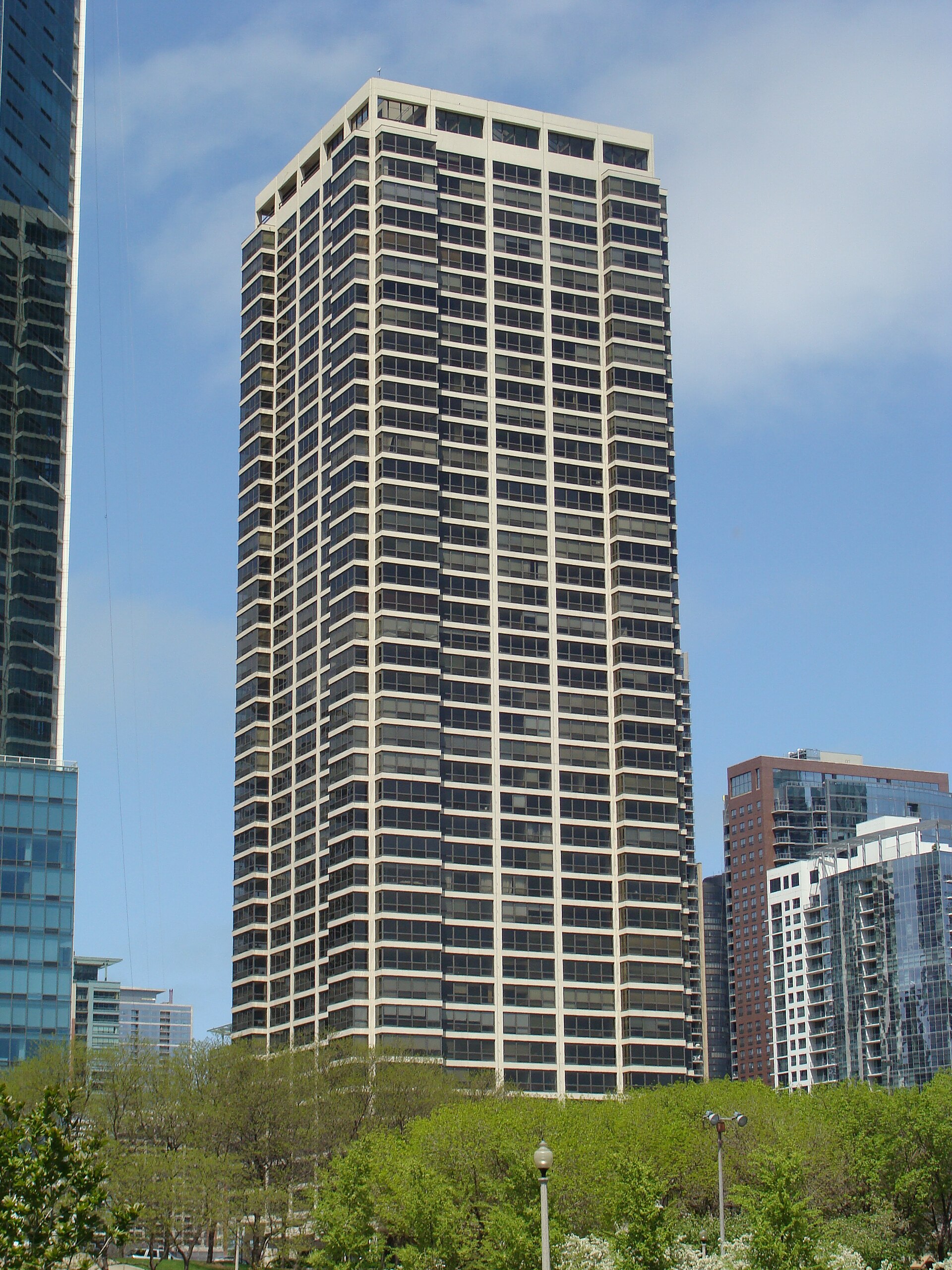
    The Buckingham, a high-rise condominium building at 360 E Randolph St, Chicago
    The Buckingham, a high-rise condominium building at 360 E Randolph St in Lakeshore East. Photo: Torsodog, CC BY-SA 3.0, via Wikimedia Commons.

    At a glance

    Topic Rule or figure Source
    Enforceable no-parking signs for a move $25 from CDOT, applied for by an eligible moving company; ward offices give free courtesy signs CDOT, ward offices [1][2]
    Recycling in buildings with 5+ units Owner must provide source-separated recycling through a private hauler Chicago Recycling Ordinance [3]
    Heat season for rented units September 15 to June 1 Department of Buildings [4]
    Minimum indoor temperature 68°F 8:30 a.m. to 10:30 p.m.; 66°F overnight City of Chicago [5]
    Winter overnight parking ban 107 miles of streets, 3 a.m. to 7 a.m., December 1 to April 1 Streets and Sanitation [6]
    Directory buildings with heat in the assessment 23 of the 26 with recorded coverage Directory [7]

    How do moves work in a Chicago condo building?

    Two sets of rules apply: the building’s and the city’s. Inside the building, most associations set rules for moves in their declaration and rules and regulations, such as reserving the freight elevator, moving only during set hours, protecting the elevator and hallways, and paying a move-in fee or deposit. Ask the management office for the move rules before you book movers.

    On the street, a moving truck needs legal curb space. Ward offices hand out free “courtesy” no-parking signs, but these cannot be enforced [1]. For signs that allow ticketing or towing, the Chicago Department of Transportation provides enforceable no-parking signs for $25 to eligible moving companies for the day of the move [1][2]. Apply early enough for the city to post the signs before moving day; the CDOT permit office is at 312-744-4652 [2]. Many downtown towers have a loading dock, which can make street signs unnecessary, so ask about the dock first.

    Who is responsible for recycling in a high-rise?

    The building. The Chicago Recycling Ordinance (Chapter 11-5 of the Municipal Code) requires source-separated recycling, effective January 1, 2017, and treats buildings with four or fewer units as low-density [3]. The city’s blue-cart program serves only those smaller buildings, so a condo building with five or more units must contract with a private hauler for recycling, provide containers and educate residents [3][8]. A 2020 audit by the City’s Office of Inspector General found that the Department of Streets and Sanitation was not ensuring that large buildings complied [8]. If your building has no recycling, raise it with the board first; complaints can also go to 311.

    Does the Chicago heat ordinance apply to condo owners?

    It applies to anyone who supplies heat to someone else’s home. The ordinance, enforced by the Department of Buildings, covers homes and workplaces from September 15 to June 1 [4]. In a rented residence the indoor temperature must reach 68°F from 8:30 a.m. to 10:30 p.m. and 66°F from 10:30 p.m. to 8:30 a.m. [5]. For condo owners this matters in two ways. If you rent out your unit and the tenant cannot control the heat, the obligation is yours. And in buildings with central heating plants, the association runs the system that delivers the heat. Tenants without adequate heat can file a complaint through 311 [4].

    Which utilities do condo owners pay themselves?

    It depends on what the assessment covers. Most Chicago homes buy electricity delivery from ComEd and natural gas from Peoples Gas, but in many large condo buildings heat, water and sometimes air conditioning or gas are paid by the association and folded into the monthly assessment. Of the 26 directory buildings whose assessment coverage has been recorded, 23 include heat and 14 include air conditioning [7]. That makes assessments in older towers look high next to newer buildings with in-unit heating, so compare the total of assessment plus utilities, not the assessment alone. The condo assessments and reserves guide explains how to read a building’s budget. For household utility costs across the city, see Chicago Cost of Living.

    What changes in winter?

    For car owners, parking. The winter overnight parking ban runs on 107 miles of arterial streets from 3 a.m. to 7 a.m. from December 1 to April 1, regardless of snow, and a separate ban covers about 500 more miles of main streets when at least two inches of snow are on the ground [6]. Cars on those streets are towed. Garage parking avoids both; see the condo parking guide for how spaces in large buildings are owned and sold.

    For the building, winter is when facade, roof and heating problems show up. Chicago requires periodic inspections of exterior walls on taller buildings, and the results can lead to repair projects funded by reserves or special assessments; the assessments guide covers how those are paid for. For getting around without a car in winter, see the transit guide.

    Common questions

    Do I need a city permit to move into a condo?

    Not always. If the building has a loading dock or the movers can use a legal space, no city sign is required. Enforceable no-parking signs from CDOT cost $25 and are requested by an eligible moving company [1][2].

    Can I use blue-cart recycling in a condo tower?

    No. The city’s blue-cart program serves buildings with four or fewer units; larger buildings must arrange private recycling [3][8].

    What temperature must a rented condo unit be kept at in winter?

    At least 68°F from 8:30 a.m. to 10:30 p.m. and 66°F overnight, from September 15 to June 1 [4][5].

    Related Chicago condo guides

    Sources

    1. 44th Ward Office, No Parking Signs for Residential Moves. 44thward.org
    2. 49th Ward Office, Parking; and 2nd Ward Office, Resident Permits. 49thward.org
    3. City of Chicago, Chicago Recycling Ordinance (Chapter 11-5), with 2023 updates. chicago.gov
    4. City of Chicago Department of Buildings, Chicago Heat Ordinance. chicago.gov
    5. City of Chicago, Mayor’s Press Office, “City Reminds Landlords and Tenants About Requirements of Chicago Heat Ordinance,” January 28, 2019. chicago.gov
    6. City of Chicago Department of Streets and Sanitation, Winter Snow Parking Restrictions. chicago.gov
    7. Chicago Condo Insider building directory, assessment coverage recorded for 26 of 268 buildings from cited listing and association sources, November 2026.
    8. City of Chicago Office of Inspector General, Department of Streets and Sanitation Commercial and High-Density Residential Recycling Enforcement Audit, December 2020. igchicago.org

    Cite this page: Chicago Condo Insider, Living in a Chicago High-Rise Condo: Moving, Recycling, Heat, Utilities and Winter (2026), reviewed November 20, 2026.

    This page summarizes city rules for general information. It is not legal advice; check your building’s declaration and the City of Chicago for the rules that apply to you.

  • The Lakefront and Parks Near Chicago’s Condo Buildings: Trail, Beaches and Harbors (2026)

    The Lakefront and Parks Near Chicago’s Condo Buildings: Trail, Beaches and Harbors (2026)

    Key takeaway: For Chicago lakefront condos, the lake is the biggest everyday amenity. 174 of the 268 buildings in the Chicago Condo Insider directory, with 56,151 condo units, are within about a mile of a Chicago Park District swimming beach, and 78 are within about half a mile. The Lakefront Trail runs 18 miles for bikes and 18.5 miles for walkers and runners, the Park District’s 22 lakefront beaches are free to enter, and its 10 harbors have room for more than 6,000 boats. The 2027 swim season will begin Memorial Day weekend.

    Last reviewed: November 20, 2026

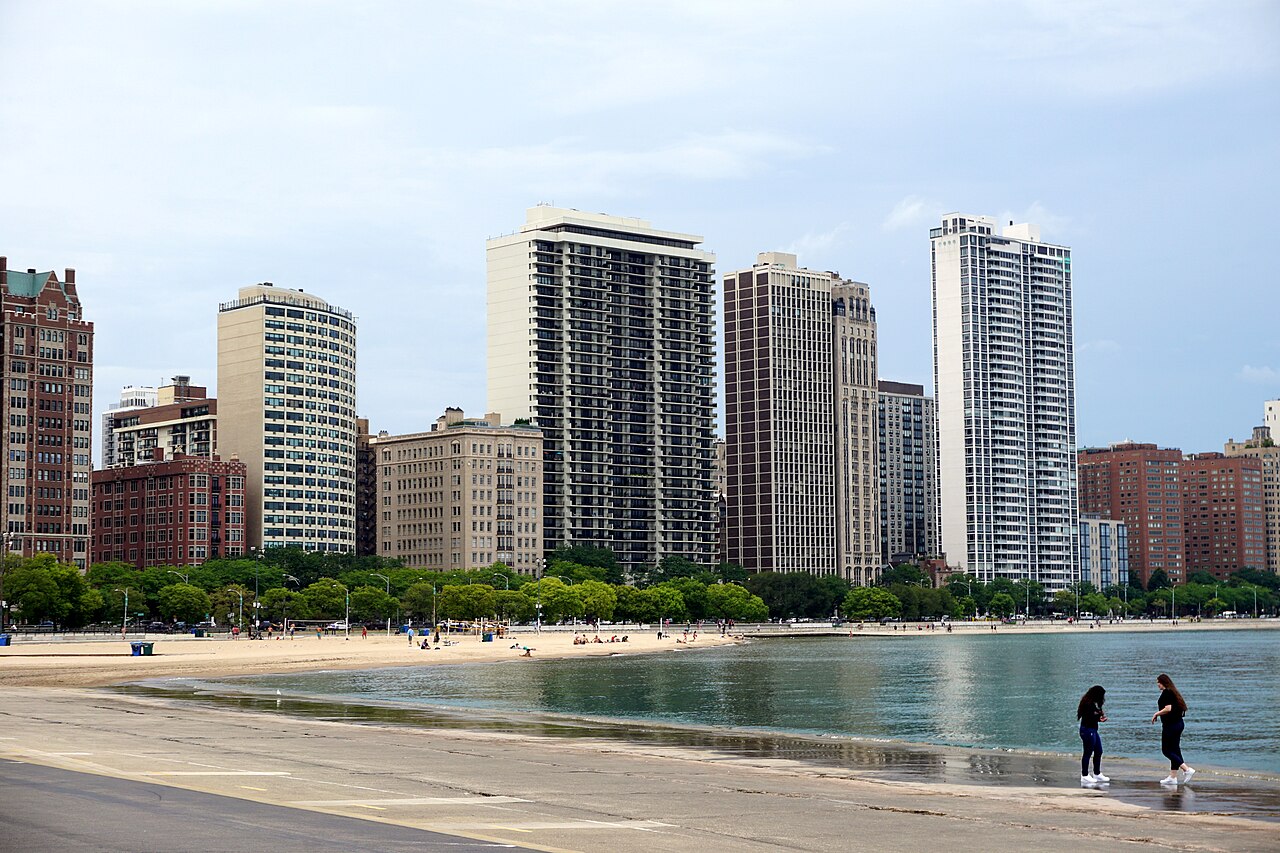
    Oak Street Beach and Gold Coast condo towers along Lake Michigan, Chicago
    Oak Street Beach, with Gold Coast high-rises along Lake Shore Drive behind it. Photo: Matt Kieffer, CC BY-SA 2.0, via Wikimedia Commons.

    At a glance

    Item Figure Source
    Lakefront Trail 18-mile bike trail and 18.5-mile pedestrian trail, separated in 2018 Park District [1]
    Trail ends Ardmore Avenue (north) to 71st Street (south) City of Chicago [2]
    Lakefront beaches 22, free admission Park District [3][4]
    Swim season Friday before Memorial Day to Labor Day; lifeguards 11 a.m. to 7 p.m. Park District [4]
    2026 season May 22 to September 7 Park District [3][4]
    Harbors 10 Park District harbors, room for 6,000+ boats; season May 1 to October 31 Park District [5]
    Directory buildings within ~1 mi of a swimming beach 174 of 268 (56,151 units) Directory [6]
    Directory buildings within ~0.5 mi of a swimming beach 78 of 268 Directory [6]

    Directory distances are approximate straight-line distances from each building to the nearest Park District swimming beach. Walking distance is longer, especially where Lake Shore Drive must be crossed.

    Which condo buildings are closest to the lakefront?

    Most of them are close. Measured in a straight line, 174 of the 268 directory buildings are within about a mile of a Park District swimming beach, and 78 are within about half a mile [6]. The nearest beach is most often Oak Street Beach (49 buildings, mainly in the Gold Coast and Streeterville), Ohio Street Beach (37, mainly Streeterville and Lakeshore East), 12th Street Beach (26, the South Loop and Museum Campus area) and Fullerton Beach (18, Lincoln Park). Farther north, buildings along Sheridan Road and Marine Drive in Uptown and Edgewater are nearest Montrose, Foster and Hollywood/Osterman beaches. The Chicago condo areas map shows where each building sits.

    Distance on a map is not the whole story. For most towers on the west side of Lake Shore Drive, reaching the lake means using an underpass, a pedestrian bridge or a signaled crossing, so ask how long the walk actually takes from the lobby.

    How long is the Lakefront Trail, and where does it go?

    The Park District completed the trail separation project in 2018, splitting the old combined trail into an 18-mile bike trail and an 18.5-mile pedestrian trail [1]. The trail runs from Ardmore Avenue on the north to 71st Street on the south [2], passing directly by the downtown, North lakefront and South lakefront condo areas. Commuters, runners, families and tourists all share it, so expect crowds on summer weekends. The Park District inspected the full 18 miles of trail and its lake-edge hardscape in September 2026 and posts maintenance closures on its website [1].

    For walking routes along the lake and through the neighborhoods, see Chicago On Foot.

    When can you swim at Chicago’s beaches?

    Only during the beach season, and only where and when lifeguards are on duty. The season runs from the Friday before Memorial Day through Labor Day, with lifeguards from 11 a.m. to 7 p.m. [4]. In 2026 the 22 lakefront beaches opened May 22 and closed for swimming on September 7 [3][4]. Swimming at other times or elsewhere along the lakefront is prohibited [4]. Beach admission is free, but parking at the beaches is not [7]. Surfing is allowed in season only at Montrose and 57th Street beaches, outside the swim areas [4].

    Can condo owners keep a boat on the lakefront?

    Yes. The Park District operates 10 harbors along the city’s shoreline (Montrose, Belmont, Diversey, DuSable, Monroe, Burnham, 31st Street, 59th Street, Jackson Park Outer and Jackson Park Inner) with spaces for more than 6,000 boats, and the harbor season runs from May 1 to October 31 [5][8]. Burnham Harbor, on the Museum Campus near the South Loop condo towers, is the largest, with 1,126 slips [8]. DuSable and Monroe harbors sit next to Lakeshore East and the Loop, and Belmont and Montrose serve the North lakefront corridor. For mooring permits and the costs of keeping a boat in Chicago, see Chicago Boat Owners.

    What else does the lakefront offer near the condo areas?

    The lakefront parks run almost continuously along the shore. Lincoln Park borders the North lakefront corridor from North Avenue to Hollywood, Grant Park and Maggie Daley Park sit between the Loop and the lake, and Burnham Park and Jackson Park line the South lakefront. For Lincoln Park in particular, including the zoo and the neighborhood around it, see Live Lincoln Park.

    Common questions

    Are Chicago’s beaches free?

    Yes. The Park District charges no admission to its beaches, though beach parking is paid [4][7].

    Is the Lakefront Trail open all year?

    The trails are open during normal park hours, and sections close for maintenance or construction from time to time; the Park District posts closures on its Lakefront Trail page [1].

    How do I find the nearest beach to a building?

    Open the building on the condo areas map and compare it with the Park District’s beach list, or ask the building’s management how residents usually reach the lake.

    Related Chicago condo guides

    Sources

    1. Chicago Park District, Lakefront Trail, retrieved November 20, 2026. https://www.chicagoparkdistrict.com/lakefront-trail
    2. City of Chicago, Mayor’s Press Office, “Completed Lakefront Trail Separation Project,” December 15, 2018. chicago.gov
    3. Chicago Park District, “Chicago’s 22 beaches end season September 7,” 2026. chicagoparkdistrict.com
    4. Chicago Park District, Beaches, retrieved November 20, 2026. https://www.chicagoparkdistrict.com/facilities/beaches
    5. Chicago Park District, Harbors. https://www.chicagoparkdistrict.com/facilities/harbors
    6. Chicago Condo Insider building directory: 268 buildings with 150 or more condo units, building coordinates from Cook County data, measured to Park District swimming beaches, November 2026. Distances are approximate.
    7. NBC Chicago, “Chicago beaches to open for 2026 season with 1 big change,” May 2026. nbcchicago.com
    8. Chicago Harbors (Chicago Park District), Harbors and mooring permits. https://chicagoharbors.info/harbors

    Cite this page: Chicago Condo Insider, The Lakefront and Parks Near Chicago’s Condo Buildings (2026), reviewed November 20, 2026.

    Beach seasons, hours and trail closures change each year. Check the Chicago Park District before you go.

  • Getting Around From Chicago’s Condo Areas: CTA, Metra, Divvy and Parking (2026)

    Getting Around From Chicago’s Condo Areas: CTA, Metra, Divvy and Parking (2026)

    Key takeaway: Chicago condo transit is a strength: most of the city’s large condo buildings are built for life without a daily car commute. 202 of the 268 buildings in the Chicago Condo Insider directory are within half a mile of a CTA ‘L’ station, and 175 have at least five CTA bus routes within a quarter mile. A CTA rail ride costs $2.50 and a bus ride $2.25 with Ventra, and the 30-day pass is $75; the RTA says there were no fare increases for riders in 2026. Owners who keep a car need a City of Chicago vehicle sticker ($105.18 for a passenger vehicle in 2026) and should know the winter overnight parking ban, which runs on 107 miles of main streets from December 1 to April 1.

    Last reviewed: November 20, 2026

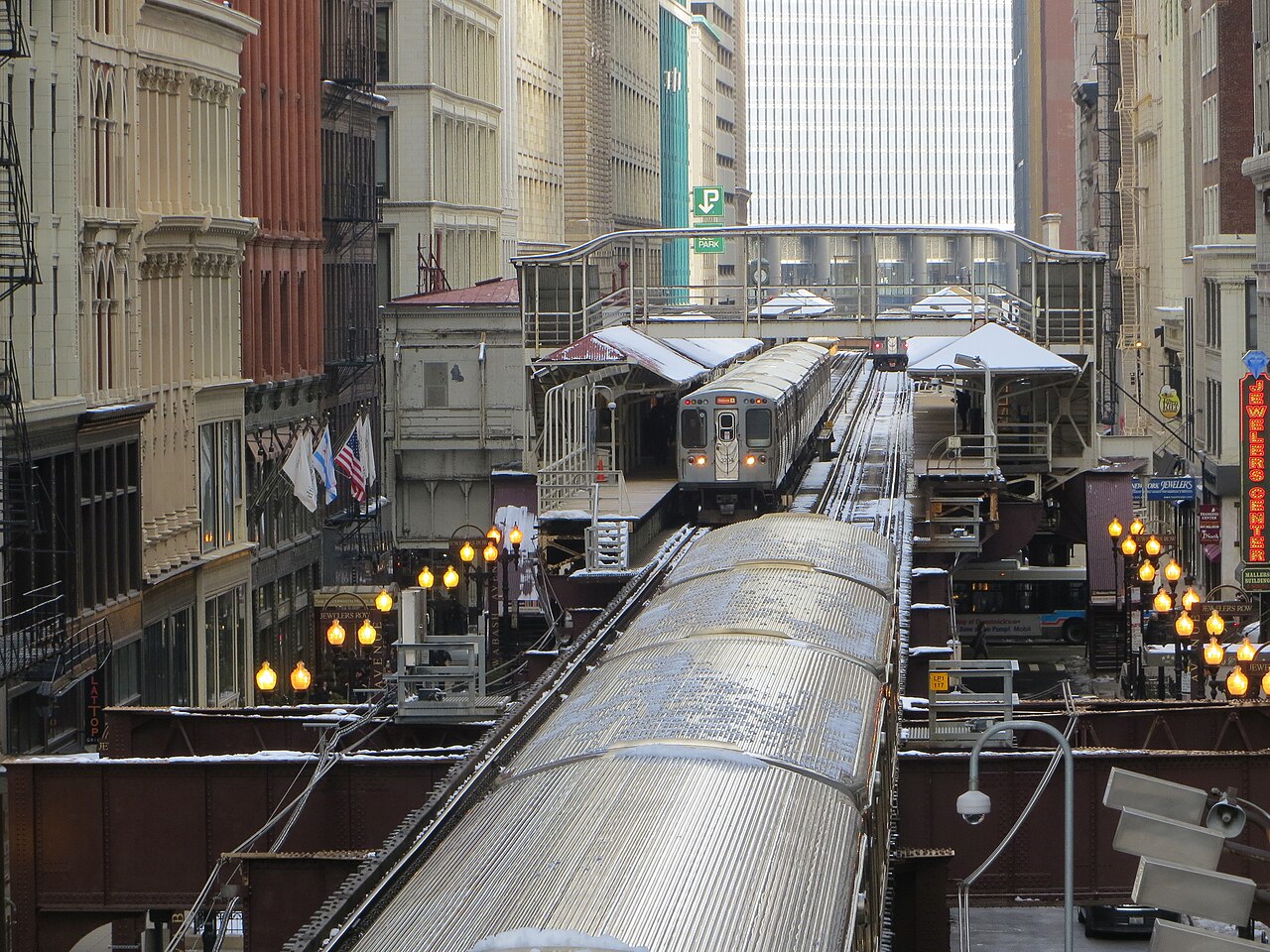
    CTA 'L' train on the Loop elevated tracks at Madison and Wabash, Chicago
    A CTA ‘L’ train on the Loop elevated at Madison and Wabash. Photo: David Wilson, CC BY 2.0, via Wikimedia Commons.

    At a glance

    Item 2026 figure Source
    CTA ‘L’ fare (Ventra) $2.50 CTA, RTA [1][2]
    CTA bus fare (Ventra) $2.25 CTA, RTA [1][2]
    CTA/Pace 1-day pass $5 RTA [2]
    CTA/Pace 30-day pass $75 CTA, RTA [1][2]
    Metra monthly pass, Zones 1-2 $75 RTA [2]
    Divvy day pass / annual membership $18.10 / $143.90 Divvy [3]
    City vehicle sticker, passenger vehicle $105.18 a year City Clerk [4]
    Winter overnight parking ban 3 a.m. to 7 a.m., Dec. 1 to April 1, 107 miles of streets Streets and Sanitation [5]
    Directory buildings within 0.5 mi of an ‘L’ station 202 of 268 Directory [6]
    Directory buildings within 1 mi of a Metra station 167 of 268 Directory [6]

    Fares as published by the CTA and the RTA in 2026. Directory distances are straight-line from each building to the nearest station, as shown on building pages.

    How well are Chicago’s condo buildings served by the CTA?

    Very well, for the most part. Of the 268 condo buildings with 150 or more units in the directory, 202 are within half a mile of a CTA ‘L’ station [6]. The share is highest in the downtown area (98 of 113 buildings), the South Loop area (38 of 41) and the West Loop area (25 of 29), and lowest on the South lakefront and the Far North and Northwest Side, where most buildings rely on buses or Metra. The Chicago condo areas map breaks this down area by area.

    Buses fill the gaps. 175 of the 268 buildings have at least five CTA bus routes stopping within a quarter mile, and 79 have at least ten [6]. The lakefront express and local routes matter most for condo owners: the 151 Sheridan serves at least 106 directory buildings within a quarter mile, the 146 Inner Drive/Michigan Express at least 84, the 143 Stockton/Michigan Express at least 58 and the 147 Outer DuSable Lake Shore Express at least 57. Each building page lists its nearest ‘L’ station, its distance and the bus routes nearby.

    What does the CTA cost in 2026?

    A ride on the ‘L’ costs $2.50 and a bus ride costs $2.25 when paid with Ventra, and the CTA lists transfers within two hours as free [1]. A 1-day pass costs $5 and a 30-day pass $75 [1][2]. In April 2026 the RTA listed these same fares and said there would be no fare increases for riders in 2026 [2]. For a commuter who rides every workday, the 30-day pass usually costs less than paying per ride; the CTA fares page lists the 3-day and 7-day passes too.

    For a fuller household transportation budget, including what owning a car costs in the city, see Chicago Cost of Living.

    When does Metra make sense from a condo building?

    Metra is the commuter rail system, and it suits owners who work in the suburbs or near a downtown terminal. 167 directory buildings are within a mile of a Metra station and 96 within half a mile [6]. The nearest station is most often Millennium Station on the Metra Electric line (92 buildings), Ogilvie Transportation Center (35) or Clybourn on the Union Pacific North and Northwest lines (31). The RTA lists a Zones 1-2 monthly pass at $75 for 2026 [2]; other fares depend on the zones traveled, so check Metra’s fare tables before you commit.

    How does Divvy work for condo owners?

    Divvy is the city’s bike-share system, with classic bikes and e-bikes. Divvy lists a day pass at $18.10 and an annual membership at $143.90 [3]; single rides cost $1 to unlock plus a per-minute rate shown on its pricing page. Divvy also offers a reduced-cost “Divvy for Everyone” membership for income-eligible residents [3]. If you own a bike instead, look at the building’s bike room before you buy: the directory records a bike room for 25 buildings so far, and the building page shows it when it does. The Lakefront Trail is the main bike route for lakefront buildings; see the lakefront and parks guide.

    What do condo owners with a car need to know?

    Every Chicago resident who keeps a vehicle in the city needs a City of Chicago vehicle sticker. For 2026, the sticker for a standard passenger vehicle costs $105.18, and new residents must buy one within 30 days of moving in [4]. If the building is on a residential permit parking street, a zone permit adds $25 a year to the sticker, and daily guest passes are sold in sheets of 15 for $15 [4]. Most large condo buildings have garages, so check whether spaces are deeded, assigned or leased; the condo parking guide explains the difference and what deeded spaces sell for.

    Street parking has seasonal rules. The winter overnight parking ban applies to 107 miles of arterial streets from 3 a.m. to 7 a.m. every night from December 1 to April 1, whether or not it snows [5]. A separate ban covers about 500 more miles of main streets whenever at least two inches of snow are on the ground [5]. Cars left on these streets are ticketed and towed.

    Is walking a realistic way to get around?

    In the downtown, South Loop and West Loop condo areas, yes: groceries, offices and transit are usually within a few blocks. For walking routes and neighborhood walks, see Chicago On Foot.

    Common questions

    Did CTA fares go up in 2026?

    No. The RTA said in April 2026 that there were no fare increases for riders in 2026, and listed the ‘L’ at $2.50, the bus at $2.25 and the 30-day pass at $75 [2].

    How do I check transit for a specific building?

    Open the building’s page in the building directory. Each page shows the nearest ‘L’ station and distance, the CTA bus routes within a quarter mile and the nearest Metra station.

    Do I need a city sticker if I park in my building’s garage?

    Yes. The sticker requirement depends on where the vehicle is registered and kept, not on whether it parks on the street [4].

    Related Chicago condo guides

    Sources

    1. Chicago Transit Authority, Fares, retrieved November 20, 2026. https://www.transitchicago.com/fares/
    2. Regional Transportation Authority (NITA), “Transit agencies encourage Chicago region commuters to switch to trains and buses as gas prices spike,” April 21, 2026. nita.illinois.gov
    3. Divvy, Pricing, retrieved November 20, 2026. https://divvybikes.com/pricing
    4. Office of the City Clerk of Chicago, City Vehicle Stickers and Residential Parking Permits, retrieved November 20, 2026. https://www.chicityclerk.com/
    5. City of Chicago Department of Streets and Sanitation, Winter Snow Parking Restrictions. chicago.gov
    6. Chicago Condo Insider building directory: 268 buildings with 150 or more condo units; station distances and bus routes from City of Chicago Data Portal CTA and Metra station and stop locations, compiled November 2026. Bus-route counts are minimums.

    Cite this page: Chicago Condo Insider, Getting Around From Chicago’s Condo Areas: CTA, Metra, Divvy and Parking (2026), reviewed November 20, 2026.

    Fares and fees change. Check the transit agency or City Clerk before relying on a figure.