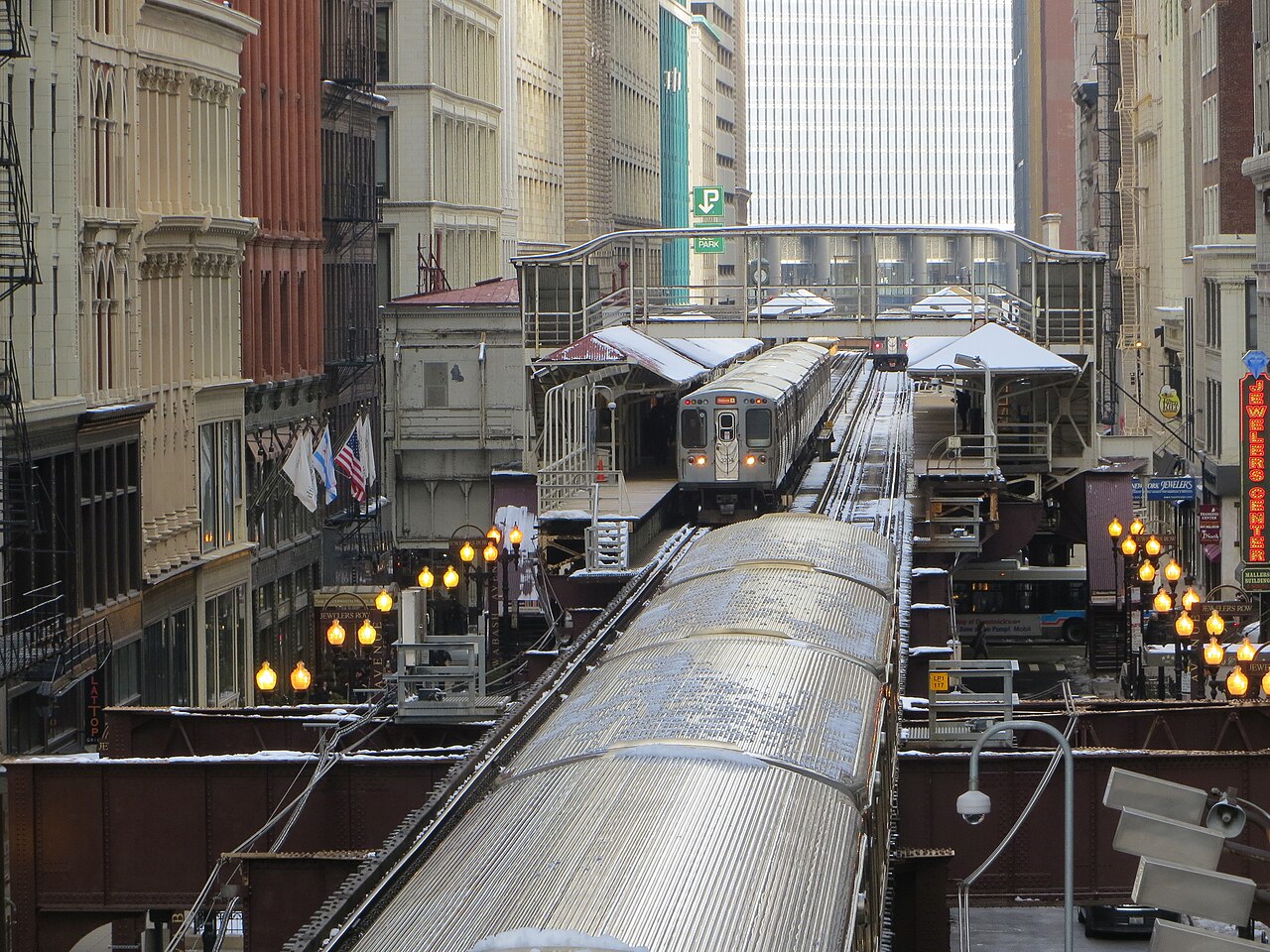
Key takeaway: Chicago condo transit is a strength: most of the city’s large condo buildings are built for life without a daily car commute. 202 of the 268 buildings in the Chicago Condo Insider directory are within half a mile of a CTA ‘L’ station, and 175 have at least five CTA bus routes within a quarter mile. A CTA rail ride costs $2.50 and a bus ride $2.25 with Ventra, and the 30-day pass is $75; the RTA says there were no fare increases for riders in 2026. Owners who keep a car need a City of Chicago vehicle sticker ($105.18 for a passenger vehicle in 2026) and should know the winter overnight parking ban, which runs on 107 miles of main streets from December 1 to April 1.
Last reviewed: November 20, 2026
At a glance
| Item | 2026 figure | Source |
|---|---|---|
| CTA ‘L’ fare (Ventra) | $2.50 | CTA, RTA [1][2] |
| CTA bus fare (Ventra) | $2.25 | CTA, RTA [1][2] |
| CTA/Pace 1-day pass | $5 | RTA [2] |
| CTA/Pace 30-day pass | $75 | CTA, RTA [1][2] |
| Metra monthly pass, Zones 1-2 | $75 | RTA [2] |
| Divvy day pass / annual membership | $18.10 / $143.90 | Divvy [3] |
| City vehicle sticker, passenger vehicle | $105.18 a year | City Clerk [4] |
| Winter overnight parking ban | 3 a.m. to 7 a.m., Dec. 1 to April 1, 107 miles of streets | Streets and Sanitation [5] |
| Directory buildings within 0.5 mi of an ‘L’ station | 202 of 268 | Directory [6] |
| Directory buildings within 1 mi of a Metra station | 167 of 268 | Directory [6] |
Fares as published by the CTA and the RTA in 2026. Directory distances are straight-line from each building to the nearest station, as shown on building pages.
How well are Chicago’s condo buildings served by the CTA?
Very well, for the most part. Of the 268 condo buildings with 150 or more units in the directory, 202 are within half a mile of a CTA ‘L’ station [6]. The share is highest in the downtown area (98 of 113 buildings), the South Loop area (38 of 41) and the West Loop area (25 of 29), and lowest on the South lakefront and the Far North and Northwest Side, where most buildings rely on buses or Metra. The Chicago condo areas map breaks this down area by area.
Buses fill the gaps. 175 of the 268 buildings have at least five CTA bus routes stopping within a quarter mile, and 79 have at least ten [6]. The lakefront express and local routes matter most for condo owners: the 151 Sheridan serves at least 106 directory buildings within a quarter mile, the 146 Inner Drive/Michigan Express at least 84, the 143 Stockton/Michigan Express at least 58 and the 147 Outer DuSable Lake Shore Express at least 57. Each building page lists its nearest ‘L’ station, its distance and the bus routes nearby.
What does the CTA cost in 2026?
A ride on the ‘L’ costs $2.50 and a bus ride costs $2.25 when paid with Ventra, and the CTA lists transfers within two hours as free [1]. A 1-day pass costs $5 and a 30-day pass $75 [1][2]. In April 2026 the RTA listed these same fares and said there would be no fare increases for riders in 2026 [2]. For a commuter who rides every workday, the 30-day pass usually costs less than paying per ride; the CTA fares page lists the 3-day and 7-day passes too.
For a fuller household transportation budget, including what owning a car costs in the city, see Chicago Cost of Living.
When does Metra make sense from a condo building?
Metra is the commuter rail system, and it suits owners who work in the suburbs or near a downtown terminal. 167 directory buildings are within a mile of a Metra station and 96 within half a mile [6]. The nearest station is most often Millennium Station on the Metra Electric line (92 buildings), Ogilvie Transportation Center (35) or Clybourn on the Union Pacific North and Northwest lines (31). The RTA lists a Zones 1-2 monthly pass at $75 for 2026 [2]; other fares depend on the zones traveled, so check Metra’s fare tables before you commit.
How does Divvy work for condo owners?
Divvy is the city’s bike-share system, with classic bikes and e-bikes. Divvy lists a day pass at $18.10 and an annual membership at $143.90 [3]; single rides cost $1 to unlock plus a per-minute rate shown on its pricing page. Divvy also offers a reduced-cost “Divvy for Everyone” membership for income-eligible residents [3]. If you own a bike instead, look at the building’s bike room before you buy: the directory records a bike room for 25 buildings so far, and the building page shows it when it does. The Lakefront Trail is the main bike route for lakefront buildings; see the lakefront and parks guide.
What do condo owners with a car need to know?
Every Chicago resident who keeps a vehicle in the city needs a City of Chicago vehicle sticker. For 2026, the sticker for a standard passenger vehicle costs $105.18, and new residents must buy one within 30 days of moving in [4]. If the building is on a residential permit parking street, a zone permit adds $25 a year to the sticker, and daily guest passes are sold in sheets of 15 for $15 [4]. Most large condo buildings have garages, so check whether spaces are deeded, assigned or leased; the condo parking guide explains the difference and what deeded spaces sell for.
Street parking has seasonal rules. The winter overnight parking ban applies to 107 miles of arterial streets from 3 a.m. to 7 a.m. every night from December 1 to April 1, whether or not it snows [5]. A separate ban covers about 500 more miles of main streets whenever at least two inches of snow are on the ground [5]. Cars left on these streets are ticketed and towed.
Is walking a realistic way to get around?
In the downtown, South Loop and West Loop condo areas, yes: groceries, offices and transit are usually within a few blocks. For walking routes and neighborhood walks, see Chicago On Foot.
Common questions
Did CTA fares go up in 2026?
No. The RTA said in April 2026 that there were no fare increases for riders in 2026, and listed the ‘L’ at $2.50, the bus at $2.25 and the 30-day pass at $75 [2].
How do I check transit for a specific building?
Open the building’s page in the building directory. Each page shows the nearest ‘L’ station and distance, the CTA bus routes within a quarter mile and the nearest Metra station.
Do I need a city sticker if I park in my building’s garage?
Yes. The sticker requirement depends on where the vehicle is registered and kept, not on whether it parks on the street [4].
Related Chicago condo guides
- Chicago condo areas: map of the city’s large condo buildings
- Chicago condo parking: deeded vs. assigned spaces
- Living in a Chicago high-rise: moving, recycling, utilities and winter
- Neighborhood basics for Chicago condo owners
Sources
- Chicago Transit Authority, Fares, retrieved November 20, 2026. https://www.transitchicago.com/fares/
- Regional Transportation Authority (NITA), “Transit agencies encourage Chicago region commuters to switch to trains and buses as gas prices spike,” April 21, 2026. nita.illinois.gov
- Divvy, Pricing, retrieved November 20, 2026. https://divvybikes.com/pricing
- Office of the City Clerk of Chicago, City Vehicle Stickers and Residential Parking Permits, retrieved November 20, 2026. https://www.chicityclerk.com/
- City of Chicago Department of Streets and Sanitation, Winter Snow Parking Restrictions. chicago.gov
- Chicago Condo Insider building directory: 268 buildings with 150 or more condo units; station distances and bus routes from City of Chicago Data Portal CTA and Metra station and stop locations, compiled November 2026. Bus-route counts are minimums.
Cite this page: Chicago Condo Insider, Getting Around From Chicago’s Condo Areas: CTA, Metra, Divvy and Parking (2026), reviewed November 20, 2026.
Fares and fees change. Check the transit agency or City Clerk before relying on a figure.